Labor Day marks the unofficial end of summer in the United States and Canada.
For many people, it’s a long weekend filled with:
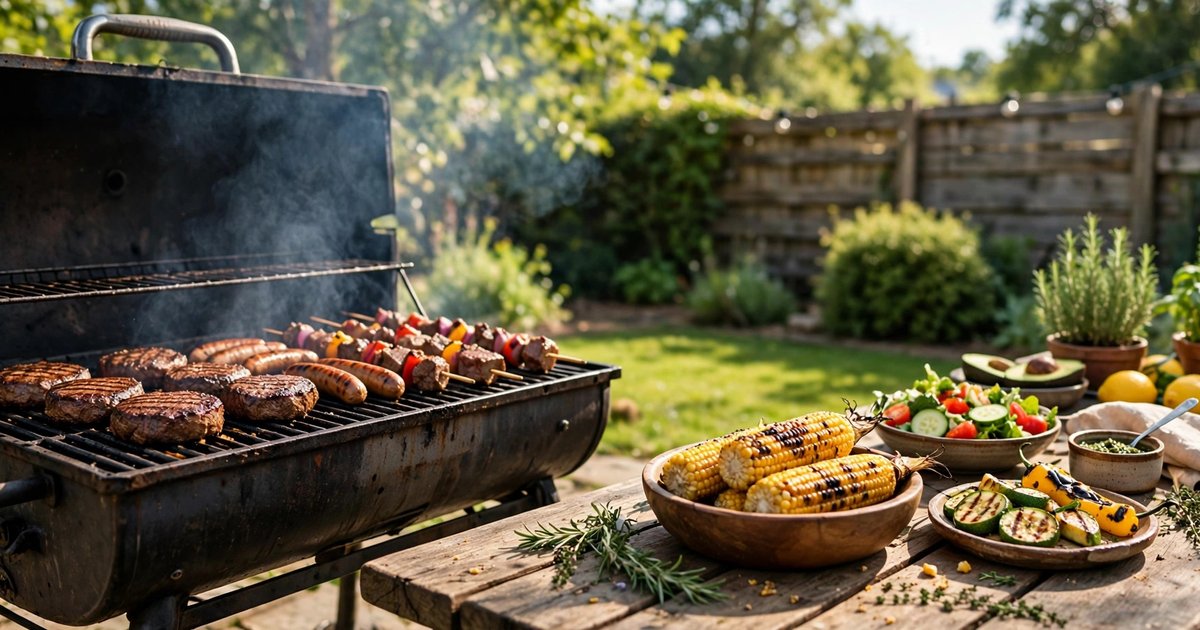
- 🍔 Backyard barbecues
- 🌭 Hot dogs and burgers
- 🍗 Grilled meats
- 🍺 Drinks with friends
- 🍰 Desserts
- 👨👩👧👦 Family gatherings
It’s also common to worry about “falling off track.”
The good news?
One holiday weekend won’t undo months of healthy habits.
Don’t aim for perfection
Many people think they have only two choices:
- Eat perfectly.
- Give up completely.
In reality, there’s a much healthier middle ground.
Enjoy the celebration.
Have your favourite foods.
Then return to your normal routine afterwards.
One meal doesn’t determine your progress.
Your habits over weeks and months do.
Prioritise the foods you really enjoy
Holiday meals often include dozens of options.
Instead of eating everything simply because it’s available, choose the foods you genuinely enjoy most.
Maybe that’s:
- A perfectly grilled steak
- Your favourite dessert
- Homemade potato salad
Skip the foods you’re only eating because they’re there.
You’ll probably enjoy the meal more while avoiding unnecessary overeating.
Protein first
Barbecues are actually a great opportunity to eat more protein.
Options like:
- Grilled chicken
- Steak
- Turkey burgers
- Salmon
- Shrimp
can help keep you full throughout the day.
Adding vegetables alongside them creates a balanced meal without feeling restrictive.
Watch the extras
Sometimes it’s not the main meal that adds the most calories.
It’s the extras.
Things like:
- Creamy sauces
- Chips
- Sugary drinks
- Alcohol
- Multiple desserts
Enjoy them if you want to—but be mindful that they can add up quickly.
Stay hydrated
Warm weather, outdoor activities, and alcohol can all increase your need for fluids.
Drink water regularly to stay hydrated, especially outdoors or in warm weather.
Don’t panic if the scale goes up
Many people notice their weight increase after a holiday weekend.
That’s completely normal.
A barbecue often means:
- More sodium
- More carbohydrates
- Larger meals
Larger meals add digestive contents; higher carbohydrate or sodium intake can also change body water.
That doesn’t mean you’ve suddenly gained body fat.
Give your body a few days to return to its normal routine before drawing conclusions.
Keep moving
Labor Day doesn’t have to revolve entirely around food.
Consider adding some movement to the weekend:
- Go for a walk.
- Play catch with the kids.
- Ride a bike.
- Go hiking.
- Swim.
- Play a game of basketball.
Exercise isn’t a punishment for eating.
It’s simply another enjoyable way to spend time together.
Log your meals—even if they’re not perfect
Many people stop tracking during holidays because they know the numbers won’t be perfect.
Ironically, those are often the meals worth tracking the most.
Even rough estimates help maintain awareness.
A logged meal is almost always more useful than no log at all.
How FoodieTrack helps
Holiday meals are often difficult to measure precisely.
Instead of worrying about weighing every ingredient, simply send:
- 💬 A text description
- 📸 A meal photo
- 📦 Food packaging
- 🏷️ Nutrition labels for packaged foods
FoodieTrack estimates your:
- Calories
- Protein
- Carbohydrates
- Fat
- Sodium
It’s a simple way to stay aware of your nutrition without interrupting the celebration.
The bottom line
Labor Day is meant to be enjoyed.
One weekend won’t define your progress.
Eat the foods you love.
Spend time with family and friends.
Stay active if you can.
Then return to your normal routine afterwards.
Healthy habits aren’t built by eating perfectly every day.
They’re built by being consistent most of the time.
Happy Labor Day from everyone at FoodieTrack!
Frequently Asked Questions
Will one Labor Day barbecue ruin my diet?
No. One meal—or even one weekend—is unlikely to undo months of consistent healthy habits.
Should I track my meals during Labor Day?
Yes. Even rough estimates help you stay aware of your eating habits without taking away from the celebration.
Why does my weight increase after a holiday weekend?
Larger meals add digestive contents, while sodium and carbohydrate intake can affect body water. A temporary rise does not by itself measure fat gain, and its duration varies.
Can FoodieTrack estimate barbecue meals?
Yes. You can log holiday meals using text descriptions or meal photos, and FoodieTrack will estimate your calories, protein, carbohydrates, fat, and sodium.
Keep scale changes in perspective
Larger meals add digestive contents; carbohydrate storage and salty foods can also change body water. A temporary rise does not measure fat gain, and no fixed return-to-normal time applies to everyone. See the American Heart Association’s sodium guidance. Stay hydrated for health, not as a guaranteed appetite-control trick. Tracking a celebration is optional.
Text meal analysis is available on Free. Photo analysis is a Premium or Premium Trial feature; AI requests are subject to rate limits. Review estimates and correct errors rather than treating them as measured nutrition values.