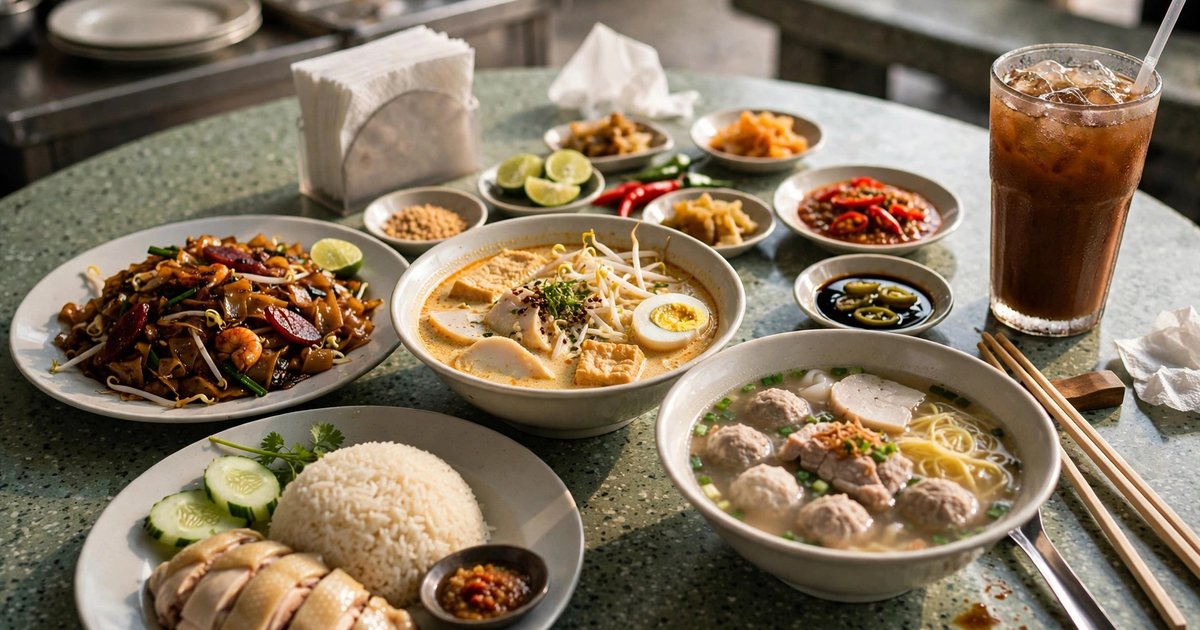
You’re sitting at a restaurant with friends, or grabbing a quick lunch at a busy hawker centre.
The food arrives. It looks incredible.
And then the tracking anxiety creeps in:
“How many grams of oil did the chef use?”
“Is there sugar hidden in this sauce?”
“How on earth do I log this in my calorie app?”
For many people trying to eat healthier or lose weight, dining out feels like the enemy of consistency. When you can’t weigh ingredients or scan a barcode, it’s tempting to either obsess over every single component or give up tracking entirely for the day.
Here is the good news:
You don’t need the chef’s exact recipe to stay on track.
Learning how to track calories when eating out isn’t about 100% laboratory precision. It’s about building a consistent, realistic habit that fits into your actual lifestyle.
The Golden Rule: Consistency Beats Precision
Before looking at portions, remember this fundamental principle:
A consistent record can be more useful than demanding precision you cannot maintain.
Your longer-term pattern matters. Repeatedly undercounting the same meals can affect the usefulness of your totals, even when each individual error seems small.
The goal when dining out is simple: capture the meal, keep your awareness high, and enjoy your food.
4 Practical Rules for Estimating Restaurant Meals
When menus don’t list nutrition facts, use these four simple mental models to estimate your plate in seconds:
1. Deconstruct the Plate by Its Components
Identify the protein source, rice or noodles, vegetables, and extras. A palm or fist can help describe a portion, but does not establish its calories or protein: tofu, fish, beef, and eggs differ considerably.
2. Account for Cooking Fat Without Double Counting
Oil, butter, and rich sauces can be hard to judge from a photo. Add preparation details when you know them. Avoid automatically adding a fixed oil allowance to an entry that already includes it.
3. Use the Closest Match
Choose the restaurant’s published nutrition information when available. Otherwise, use a comparable dish and portion as an estimate. Generic entries vary in quality and may not include the same oil or ingredients.
4. Consider Preparation, Not Just the Dish Name
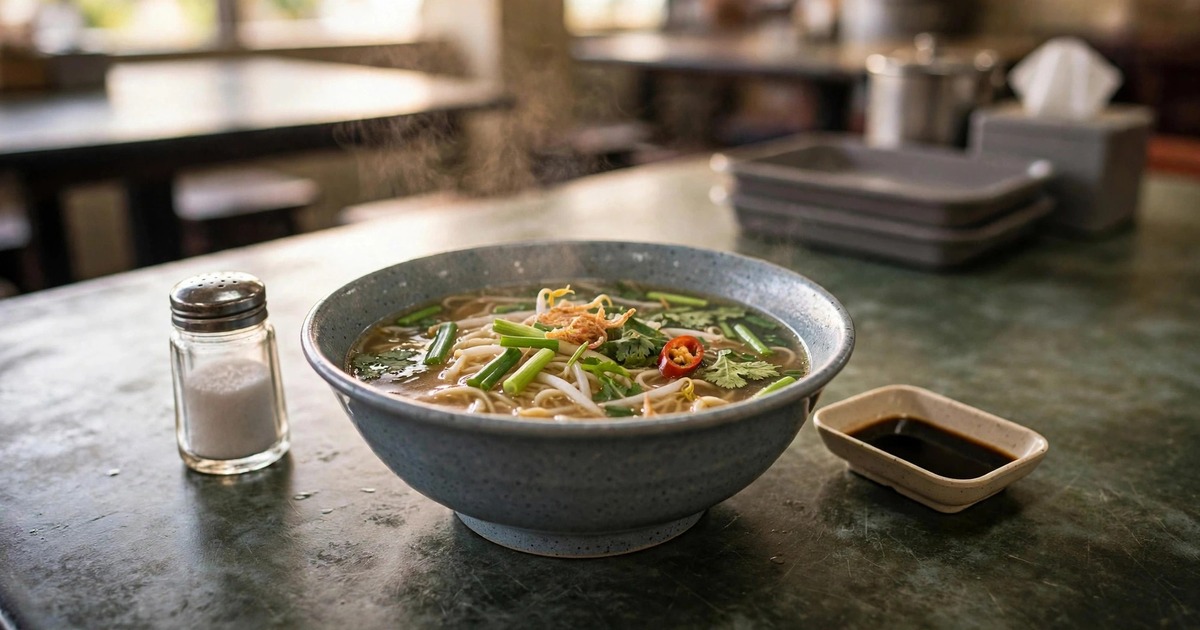
Clear soups can be an alternative to some fried dishes, but are not automatically low-calorie or low-sodium. Coconut milk, fried toppings, noodles, and portion size still matter.
HealthHub’s hawker guide offers practical advice on sauces, oil, drinks, and broth.
Quick Reference: What to Record
| Meal type | Useful details |
|---|---|
| Protein with rice or noodles | Portion size, skin, sauce, and sides |
| Stir-fried dishes | Plate size, ingredients, and cooking method |
| Soup | Noodles, toppings, milk or coconut base, and broth consumed |
| Cream or coconut sauce | Portion and how much sauce you ate |
There is no reliable calorie range for an entire category without a defined recipe and serving size.
Common Traps to Watch Out For
- Sauces and Dressings Served on the Side: Salad dressings, mayonnaise, and dipping oils can quietly double a light meal’s calorie count. Ask for them on the side so you control how much goes on.
- Liquid Calories: Sweetened and alcoholic drinks contribute calories; the amount depends on the product and serving size. Choosing water or zero-calorie drinks keeps your calorie budget available for real food.
- The “All-or-Nothing” Mindset: Eating an indulgent burger or rich curry doesn’t mean your day is ruined. Log your best estimate, mark the meal done, and return to your normal routine at the next meal.
How FoodieTrack Makes Eating Out Effortless
Legacy calorie counters make dining out stressful. Searching through thousands of conflicting user-generated entries while sitting with company is tedious.
With FoodieTrack, logging restaurant meals takes seconds right inside Telegram:
- 📸 Snap a Photo: Take a quick picture of your plate before eating. FoodieTrack identifies the components, estimates portion sizes, and logs the nutrition automatically.
- 💬 Send a Quick Text: Type
roast duck rice with half the riceorflat white and a croissant. - 🎙️ Voice Notes: Walking back to the office? Send a quick 5-second voice message describing what you had.
No kitchen scales, no awkward menu interrogations—just effortless, consistent tracking that fits your real life.
👉 Ready to track meals without the friction? Try FoodieTrack on Telegram and build consistent nutrition habits today.